Elevate Your Outdoor Living: Decorative Concrete Ideas for St. Louis Homes
Decorative Concrete St. Louis
Outdoor living spaces have evolved from simple patios into sophisticated extensions of interior design throughout St. Louis neighborhoods. Decorative concrete offers homeowners limitless possibilities for transforming ordinary surfaces into stunning focal points that enhance property values and lifestyle quality. From historic areas like Soulard to modern developments in Kirkwood, creative concrete applications are redefining backyard aesthetics across the region. The 2026 trend toward seamless indoor-outdoor transitions makes decorative concrete more relevant than ever for discerning homeowners. Understanding the various techniques and design options empowers you to create outdoor spaces that reflect personal style while withstanding Missouri’s challenging climate.
Stamped Concrete: Luxury Aesthetics Made Affordable
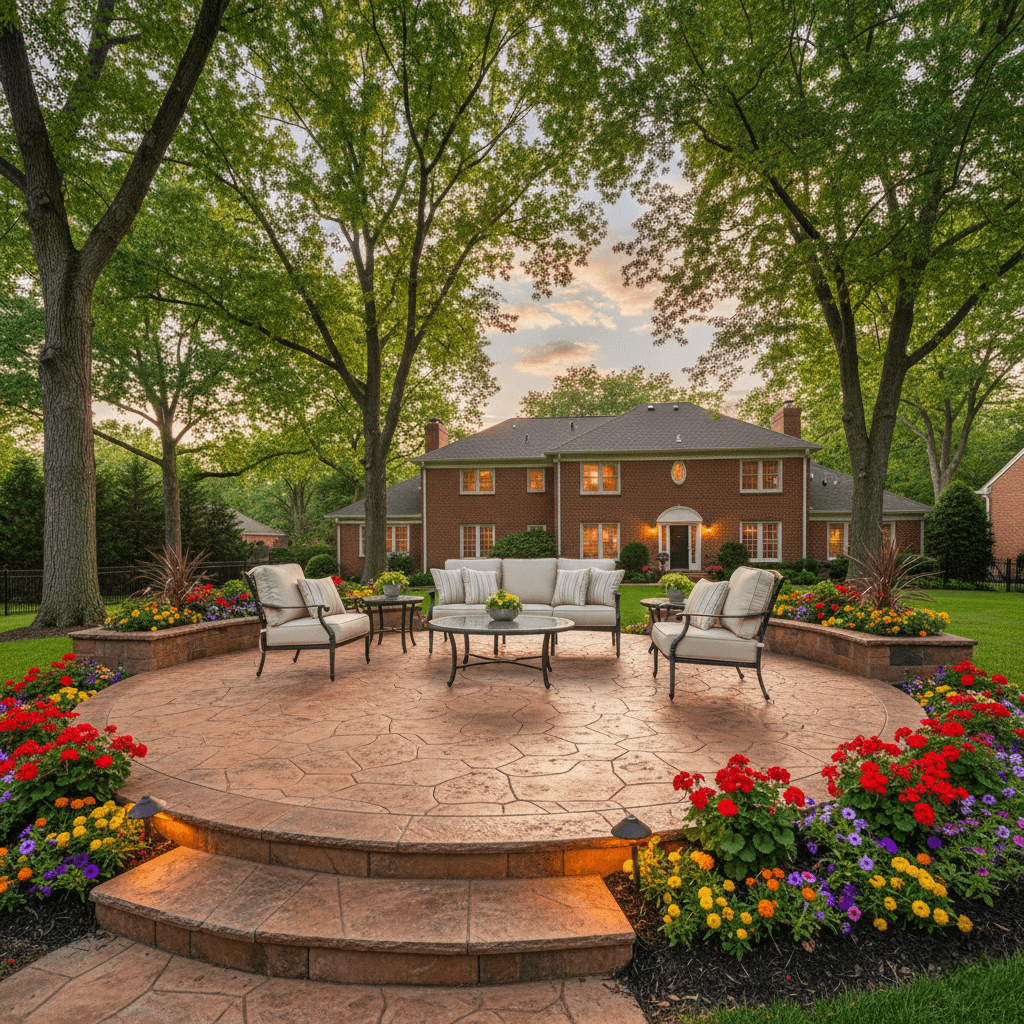
Stamped concrete is still the most widely used decorative process for St. Louis homeowners wanting to achieve a luxurious appearance at an affordable cost. This versatility allows designers to imprint their own patterns and textures onto freshly laid concrete, to look very much like a variety of materials such as natural stone, brick, slate, and wood planks. Current stamping processes have produced extremely realistic results that can deceive even the trained eye when viewed from standard distances. Examples of popular pattern choices include cobblestone and fieldstone (both classic and transitional), and large-format tile and geometric designs.
Webster Groves and the surrounding area have many homes in traditional and transitional style architecture; therefore, flagstone patterns will be a good choice for these homeowners who want to bring an element of timelessness to their homes. Random stone patterns will give a natural, organic appearance, which will blend well with the lush Missouri landscapes. Ashlar slate designs will add sophistication to formal entertaining areas and pool surrounds. Wood plank patterns will add warmth and invitation to the area without the ongoing maintenance of real decking. Many homeowners who have chosen this contemporary approach prefer seamless skin texture patterns, which will add subtle interest to the area without the visual distraction of joints.
Color Layering Techniques
Applying a single color can result in a clean and uniform appearance; applying multiple layers of colors can provide the authentic depth and dimension that can make a stamped concrete installation look more interesting. The base color establishes the primary tone, while the accent color(s), applied during the stamping process, bring out the texture and replicate the variation in natural material. Antiquing release agents can also add a weathered look to a newly installed piece of stamped concrete to make it appear older and established. Earthy tones, including tan, gray, brown, and others, are currently the most commonly selected colors for St. Louis installations because they fit the current design trend toward using organic and natural color schemes.
Stained Concrete: Vibrant Colors That Will Never Peel or Chip
Permanent color penetration occurs when using a concrete stain, eliminating the need for paint and its potential for chipping and peeling. There are two main categories of stains: acid and water-based. Each type of stain has distinct characteristics, allowing homeowners to choose the best option for their personal taste and vision. Acid stains produce a translucent, variegated coloration due to a chemical reaction with the minerals found in the concrete, resulting in a unique marbling effect that cannot be duplicated. Water-based stains produce an opaque, consistent color across a wider range of colors, including bright blues, greens, and reds, in addition to the typical earth tones.
Applications of Acid Stains
The chemical reaction that occurs between the acid stain formula and the minerals found in the concrete produces rich, mottled colorations that resemble the appearance of natural stone and aged leather. The acid stains produce random, organic color variations that contribute to the visual interest and personality of the surface. Some of the most commonly selected colors for acid staining include terra cotta, brown, gray, and green, all of which can complement the natural surroundings of Missouri. The number of layers of color applied during the staining process will significantly affect the final appearance of the stained surface. Homeowners often use acid staining in combination with saw-cut patterns or engraved borders to define individual spaces and to add architectural interest to the surface.
Versatility of Water-Based Stains
Modern water-based stain technology has provided homeowners with a wide array of color options and the ability to achieve precise color control. Both new and old concrete can be successfully stained with water-based stains, making them a great solution for updating a dated patio in a mature neighborhood of St. Louis. The color intensity of water-based stains can be adjusted by diluting the product and/or by applying additional coats of stain. UV-resistant water-based stain formulas do not fade under the intense summer sunlight that is characteristic of Missouri’s climate. When combined with stamping or scoring, water-based stains can produce custom-looking surfaces that are uniquely different from those of adjacent homes.
Exposure of Aggregates: A Natural Look With Excellent Traction
Decorative concrete exposed aggregate techniques expose the decorative stones, pebbles, and shells that were embedded in the concrete matrix during construction. In addition to being aesthetically pleasing, exposed aggregate surfaces are characterized by excellent slip-resistance, making them ideal for pool decks, walkways, and other areas where safety concerns exist. The textured surface of exposed aggregate decorative concrete provides visual interest through the varied colors and sizes of the embedded materials. By selecting local aggregate materials, homeowners can match the color and texture of their landscaping and architectural elements. As durable surfaces, exposed aggregate decorative concrete can withstand heavy foot traffic for decades while retaining its original attractiveness.
Selection Criteria for Aggregates
River rocks create a smooth, rounded texture that is comfortable for bare feet to walk upon near pools. Crushed granite produces a textured surface that sparkles in the sunlight. Decorative glass aggregates can add surprising flashes of color and light to contemporary designs. Decorative seashells can create a coastal theme in residential outdoor spaces that are inspired by vacation settings. The size of the aggregate particles can vary greatly, ranging from small pebbles that create a subtle texture to large stones that create dramatic visual effects.
Methods of Installation
Surface retarders are applied to the top layer of fresh concrete to slow down the curing of this layer until the bottom layer of the concrete has completed its curing cycle. Pressure washers remove the uncured cement paste from the surface of the concrete to expose the embedded aggregate at a predetermined depth. Timing is important to avoid washing away the aggregate too soon or too late, depending on the specific weather conditions and the type of concrete being used. Contractors know how to determine the optimal window of time to apply pressure washing, based on the conditions mentioned above. Proper sealing of the exposed aggregate after it has been washed will protect it and enhance the colors of the aggregate to maintain a beautiful appearance.
Concrete Overlays: Restoring Older Surfaces
Concrete overlays provide a cost-effective alternative to replacing damaged or outdated existing patios with completely new concrete. Thin layers of cement-based materials are applied to the prepared substrate to create a new surface that can then be decorated. The overlay system accepts all of the same decorative techniques as new concrete, including stamping, staining, scoring, and other decorative techniques. Depending on the condition of the existing surface and the desired outcome, overlays can be applied to varying degrees of thickness, from feather-edge repairs to one-inch caps.
Decorative Options Using Overlays
Overlays can be applied using microtopping systems to create highly polished, smooth surfaces that are characteristic of modern and minimalist designs. Stampable overlays can reproduce realistic texture patterns to transform a plain slab of concrete into a convincing representation of stone or brick. Spray-down textures can quickly and consistently cover large areas with a subtle finish. Trowel-applied products can be used to create custom patterns and faux finishes limited only by the designer’s imagination. The color options for overlays are identical to those of new concrete, allowing homeowners to completely transform the appearance of their existing surfaces.
Scoring and Engraving Concrete
Tools that precision cut and engrave surfaces can permanently create patterns in cured concrete surfaces through scoring and engraving techniques. Scoring and engraving can be applied to both new and existing surfaces that require restoration. Geometric patterns, such as herringbone, basketweave, and running bond, can convincingly duplicate tile and brick patterns. Logos, monograms, and unique artistic elements can be incorporated into scored and engraved decorative concrete to personalize outdoor spaces. The depth and width of scored cuts can create a visual hierarchy that defines functional zones within larger patio areas.
Design Applications
Decorative bands can be created along the perimeter edges of patios to create border treatments that add a finished, intended appearance to the surface. Medallions can be inserted into seating areas or entrance zones to create focal points. Patterns that direct traffic flow and define paths can be created through directional patterns. Separate functional areas, such as dining zones from conversation spaces, can be defined through accent strips. The contrast of staining and scoring can create dramatic visual interest and contrasts.
Integrated Fire Features and Seating Walls
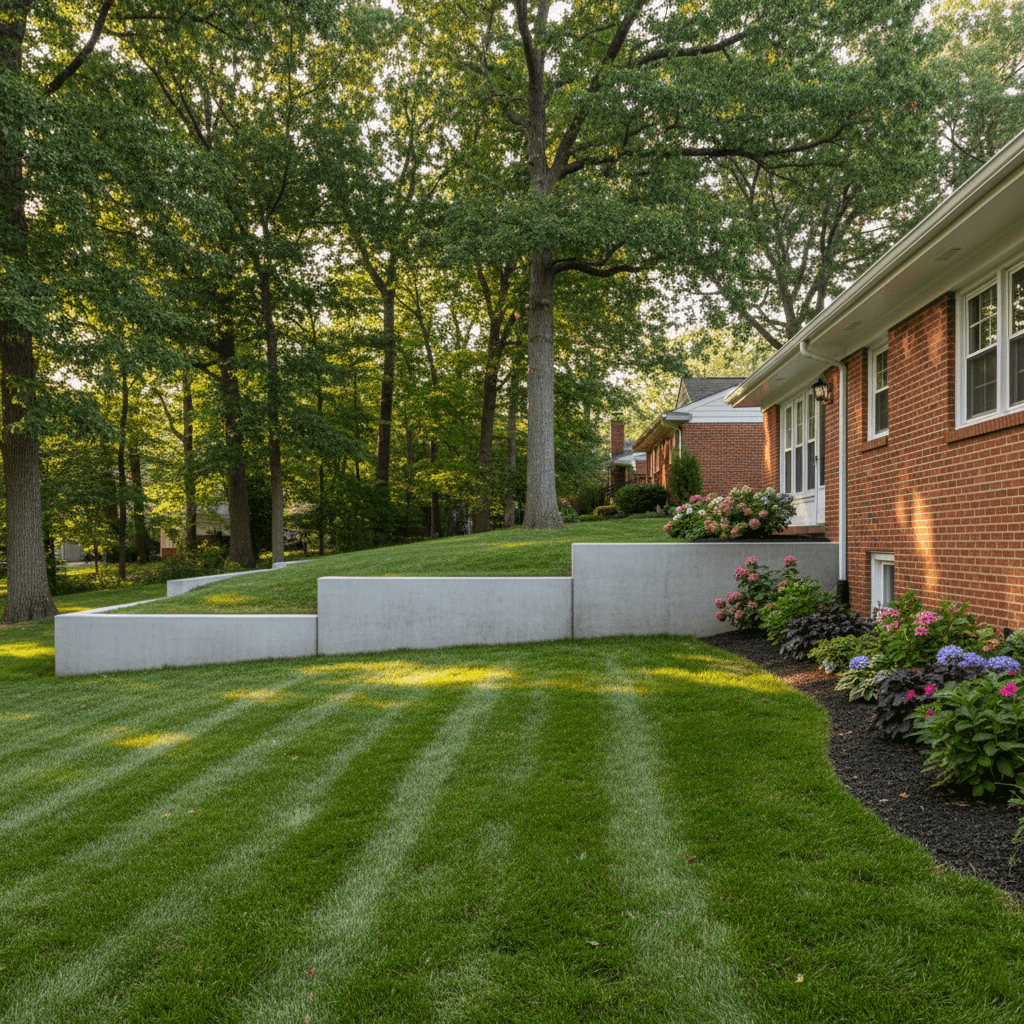
The demand for modern outdoor living spaces is no longer met simply by having beautiful surfaces. Decorative concrete elements can be integrated throughout an entire outdoor space to carry a design theme from one feature to another. Custom fire pits with decorative concrete surrounds can create a focal point for gatherings on cool Missouri nights. Built-in seating walls with stamped or stained caps can provide a functional beauty and define space boundaries. Planters built from the same decorative concrete as the surrounding features can tie together a design theme and showcase landscaping. All of these elements can transform patios from mere surfaces into complete outdoor rooms.
Trends Currently Found in St. Louis
Earth-toned neutral color palettes are dominating the 2025 outdoor design trends in the St. Louis metropolitan area. Homeowners are increasingly selecting softer grays, warmer taupes, and more muted beiges that create a calming, spa-like atmosphere. Clean, uncluttered patterns and large formats are trending with contemporary homeowners’ preference for a minimalist aesthetic. Sustainable practices, including permeable concrete options that effectively manage stormwater runoff, are becoming more popular. Multifunctional spaces that accommodate dining, lounging, and entertainment are reflecting the evolving lifestyles of homeowners who consider their outdoor spaces to be an extension of their indoor living rooms.
Maintenance and Long-Term Beauty
With proper installation, decorative concrete requires little maintenance and will remain visually appealing for decades. Debris should be swept off decorative concrete surfaces regularly to prevent scratching of sealants. A periodic pressure washing can restore the appearance of decorative concrete and remove dirt and grime that may accumulate on the surface. Sealants should be reapplied to decorative concrete every 3-5 years to preserve color vibrancy and protect against moisture and staining. Minor cracks should be repaired immediately to prevent moisture from entering the crack and causing freeze-thaw damage during the winter months. Maintaining decorative concrete surfaces with these routine maintenance tasks will ensure the long-term beauty of decorative concrete investments.
Seasonal Care Considerations
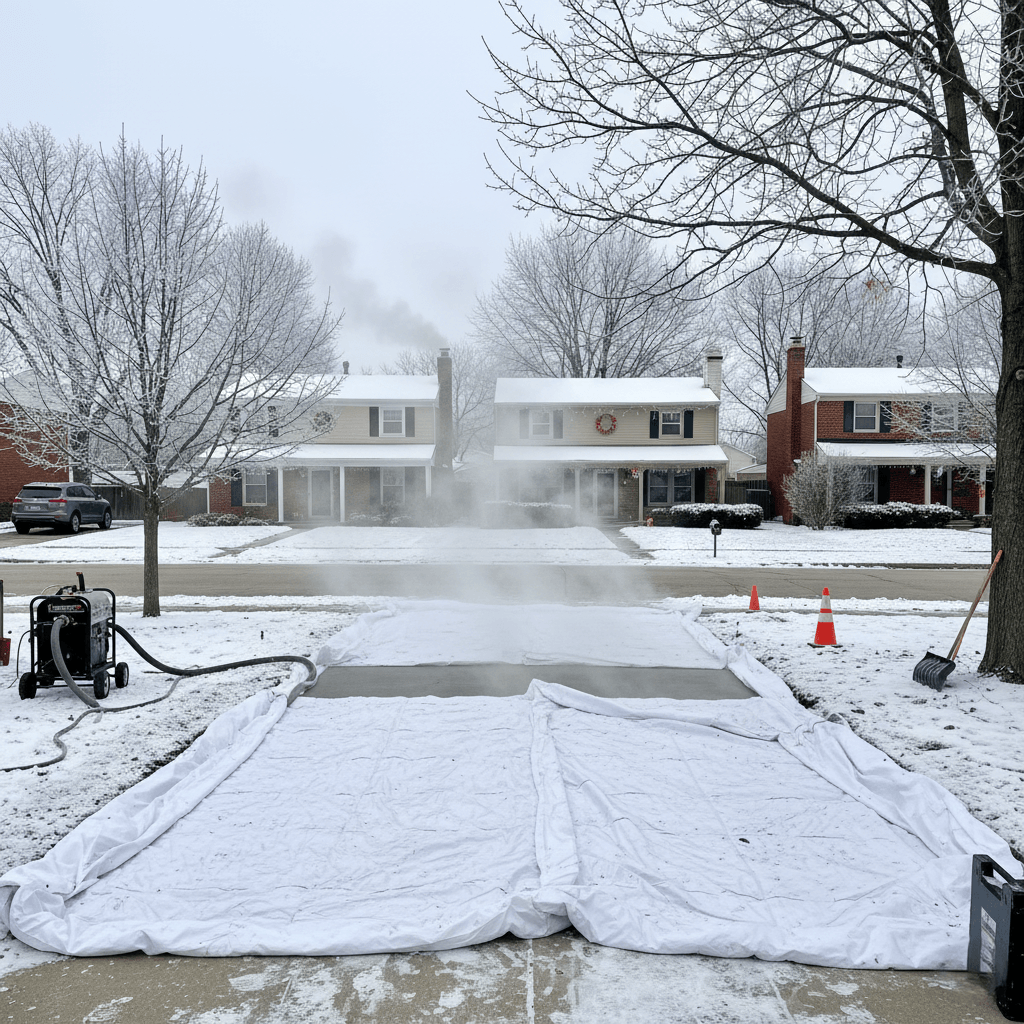
Before snow falls, homeowners should clear fallen leaves and debris from their decorative concrete surfaces to prevent organic matter from decaying and leaving unsightly stains. Harsh chemical deicing products should be avoided to protect decorative concrete surfaces from premature degradation. Sand or calcium chloride-based products can be safely used to provide traction to decorative concrete surfaces during icy weather conditions. During spring, homeowners should inspect their decorative concrete surfaces to identify any damage that occurred over the winter months. During summer, homeowners should clean their decorative concrete surfaces to remove pollen that may have accumulated and to prevent mildew growth in shaded areas. Before fall, homeowners should prepare their decorative concrete surfaces for winter conditions.
Working With Experienced Contractors
To achieve a successful decorative concrete project, homeowners need the experience of a skilled contractor to assist with the selection of materials, preparation techniques, and finishing methods. Contractors in the St. Louis area understand the climate-related challenges of Missouri and can recommend the correct types of mixes and installation procedures for decorative concrete projects. Homeowners can evaluate the creative abilities of potential contractors by reviewing their portfolios and determining if the contractor has demonstrated attention to detail. Homeowners can discuss design possibilities and view samples and renderings of potential final appearances during detailed consultations. Professional contractors will provide a warranty on their work to protect homeowners against defective workmanship and premature failure of decorative concrete surfaces.
Create Unforgettable Outdoor Spaces
Decorative concrete gives St. Louis homeowners the opportunity to create incredible outdoor living spaces that enhance their lives and property value at the same time. Whether homeowners desire to update an existing patio with an overlay and stain or install a new patio featuring stamped patterns and custom colors, the possibilities are endless. At St. Louis Concrete Works, we specialize in decorative concrete applications that transform ordinary outdoor spaces into unforgettable destinations. Our design team works closely with each homeowner to develop concepts that meet their personal preferences and needs while considering the practical aspects of the space. From the initial consultation through the final sealing process, our staff strives to provide quality craftsmanship and attention to detail to ensure that our decorative concrete products exceed homeowners’ expectations for years to come.
LATEST POSTS